

Phone Number
010 443 8828
Email Address
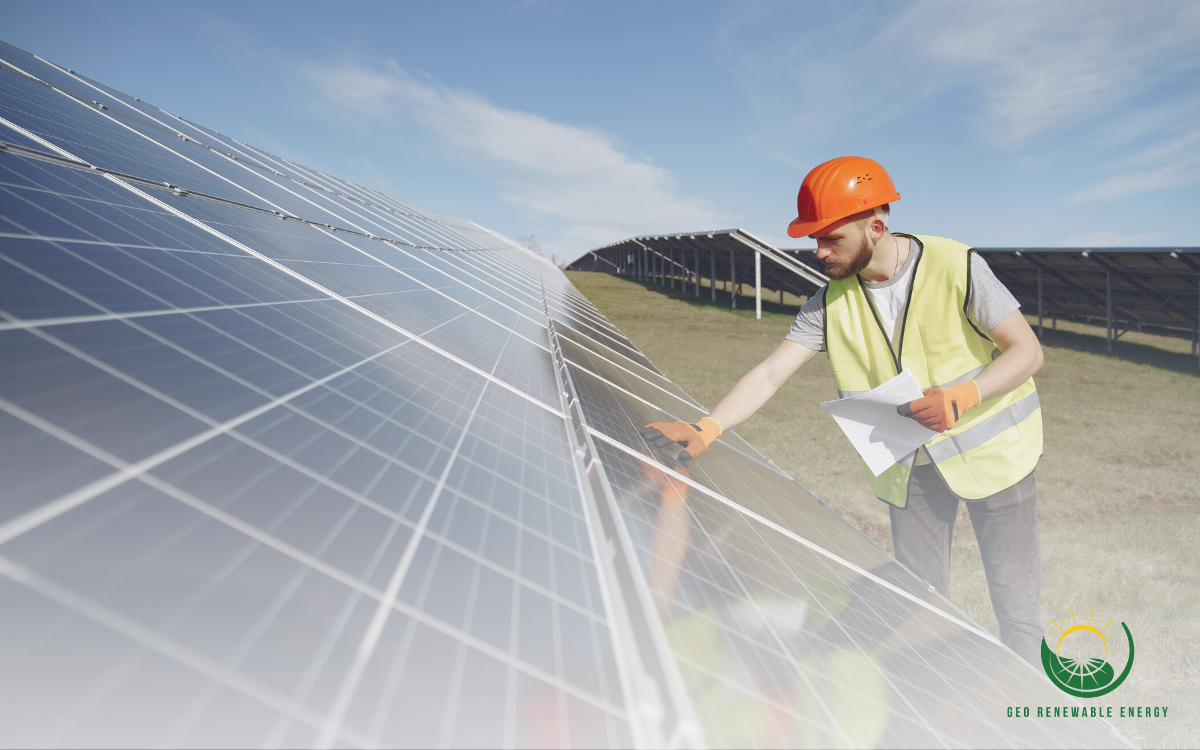
The global push for renewable energy has made solar power a leading choice for businesses and homeowners alike. With the growing demand for sustainable energy, the market offers a wide variety of solar energy solutions, each catering to different needs and objectives.
However, choosing the right solar solution requires careful evaluation of various factors, from system types to financial models and installation methods. This guide provides an in-depth roadmap to help you assess and select the solar energy solution that best fits your needs.
Selecting the right solar energy solution is not a one-size-fits-all decision. Each system comes with its own set of features, benefits, and limitations, and making the wrong choice can lead to inefficiencies, higher costs, or an inability to meet your energy needs. Evaluating your options ensures that you find a solution that aligns with your energy requirements, budget, and long-term goals.
Proper evaluation also helps you maximise your return on investment. With various technologies, installation methods, and financial models available, understanding the strengths and weaknesses of each allows you to make an informed decision. By taking the time to assess your options, you can optimise system performance, reduce energy costs, and contribute to sustainability without unnecessary risks or expenses.
When deciding on a solar energy solution, it’s important to consider the financing model that best suits your needs. Two popular options are cash purchases and Power Purchase Agreements (PPAs), each offering distinct benefits.
Cash Purchases
A cash purchase involves paying upfront for the solar system, giving you full ownership and control. This approach eliminates long-term payments, maximises energy savings, and allows you to benefit from tax incentives and depreciation. Once installed, the system provides energy at minimal ongoing costs, making it a cost-effective option over the long term. However, the high investment can be a barrier, and as the system owner, you are responsible for upfront maintenance and repairs.PPAs
With a PPA, the energy provider owns, installs, and maintains the system, while you pay only for the electricity consumed, often at a lower rate than traditional utility prices. This model requires no upfront investment, making it an affordable option for those with budget constraints. Additionally, the provider handles all operational responsibilities, ensuring hassle-free energy access. However, since you don’t own the system, you forgo ownership benefits like tax incentives, and some agreements may include annual price increases.
Which Option is Best?
If you prioritise long-term savings and have the capital, a cash purchase offers the highest return on investment. For businesses or individuals looking for a cost-effective entry into solar without upfront costs, a PPA is a practical alternative. Understanding your financial goals and energy needs is key to making the right choice. Both options provide a viable pathway to clean, sustainable energy.
Solar energy solutions can be broadly categorised into three main types: grid-tied, off-grid, and hybrid systems. Each type has unique characteristics and suitability depending on energy needs, location, and budget.
Grid-tied systems are connected to the local utility grid, allowing users to draw electricity from the grid when solar power is insufficient. They are ideal for urban and suburban areas with reliable grid infrastructure. Grid-tied systems are cost-effective, as they eliminate the need for energy storage, and users can often sell excess energy back to the grid through net metering. However, they rely on the grid for power during outages unless paired with backup batteries.
Off-grid systems operate independently of the utility grid, using batteries to store energy for later use. These systems are suitable for remote locations where grid access is unavailable or unreliable. While off-grid systems provide complete energy independence, they require substantial investment in batteries and careful energy management to ensure continuous power supply.
Hybrid systems combine the benefits of grid-tied and off-grid systems by integrating battery storage with grid connectivity. They provide backup power during outages and allow users to store excess solar energy for later use. Hybrid systems are versatile and increasingly popular, but their cost is higher due to the inclusion of batteries.
The performance and efficiency of a solar energy system depend heavily on the type of solar panels used. The three most common types are monocrystalline, polycrystalline, and thin-film panels.
Monocrystalline panels are made from a single crystal structure, offering the highest efficiency and durability. They are ideal for locations with limited space, as their higher efficiency generates more power per square meter. However, they are also the most expensive option.
Polycrystalline panels are made from multiple crystal fragments, making them less efficient but more affordable than monocrystalline panels. They are suitable for larger installations where space is not a constraint and budget is a priority.
Thin-film panels are lightweight and flexible, making them suitable for unconventional applications such as curved surfaces or portable systems. While they are less efficient than crystalline panels, their low cost and adaptability make them attractive for specific use cases.
Energy storage is a critical component of modern solar systems, particularly for off-grid and hybrid setups. Batteries store excess energy generated during the day for use at night or during power outages.
Lithium-ion batteries are the most common choice due to their high efficiency, longer lifespan, and lightweight design. Lead-acid batteries, while cheaper upfront, have a shorter lifespan and lower efficiency, making them less suitable for long-term use. Evaluate the capacity, discharge rates, and warranty of batteries to ensure they align with your energy needs.
Properly sizing a battery system is essential to avoid over- or under-utilisation. Over-sized systems are unnecessarily expensive, while under-sized systems can lead to frequent power shortages. Work with a professional to assess your energy usage and determine the optimal storage solution.
The location and installation of your solar system significantly impact its performance. A thorough site assessment ensures maximum energy generation and cost efficiency.
Roof-mounted systems are common for residential and small commercial installations. They save space and utilise existing structures but may face limitations in terms of roof orientation, angle, and shading. Ground-mounted systems are suitable for larger installations and allow for optimal positioning, but they require more space and may involve additional costs for land preparation.
Evaluate the solar potential of your location, including sunlight hours, shading from nearby structures or trees, and weather patterns. Tools like solar mapping and professional assessments can provide insights into system performance and feasibility.
Solar systems are low-maintenance compared to traditional energy sources, but regular upkeep is essential to ensure efficiency and longevity.
Regular cleaning of solar panels, inspection of inverters, and monitoring of battery performance are key to maintaining system output. Some providers offer maintenance packages as part of their service agreements, reducing the operational burden on users.
Check the warranty terms for all system components, including panels, inverters, and batteries. A good warranty indicates the manufacturer’s confidence in their product and provides peace of mind for the user.
Solar energy is not only about financial savings but also about contributing to a sustainable future. Evaluate how each solution aligns with your environmental objectives.
Consider the amount of carbon emissions you can offset with your chosen system. Off-grid and hybrid systems can eliminate reliance on fossil fuels, while grid-tied systems can significantly reduce overall energy consumption.
Large-scale solar installations, such as those accessed through wheeling, can support broader renewable energy adoption and foster community sustainability. By investing in clean energy solutions, businesses and homeowners contribute to a greener future for all.
Evaluating solar energy solutions requires a holistic approach that considers system types, technologies, installation methods, financial models, and long-term sustainability. By understanding your energy needs, budget, and environmental goals, you can select a solution that maximises benefits and supports a transition to clean energy.
Whether you opt for an on-site installation, a hybrid system, or a wheeling agreement, investing in solar energy is a step toward energy independence, cost savings, and environmental stewardship. With careful planning and professional guidance, you can navigate the solar landscape with confidence and make an informed decision that meets your unique requirements.
Copyright 2024 - All Rights Reserved