

Phone Number
010 443 8828
Email Address
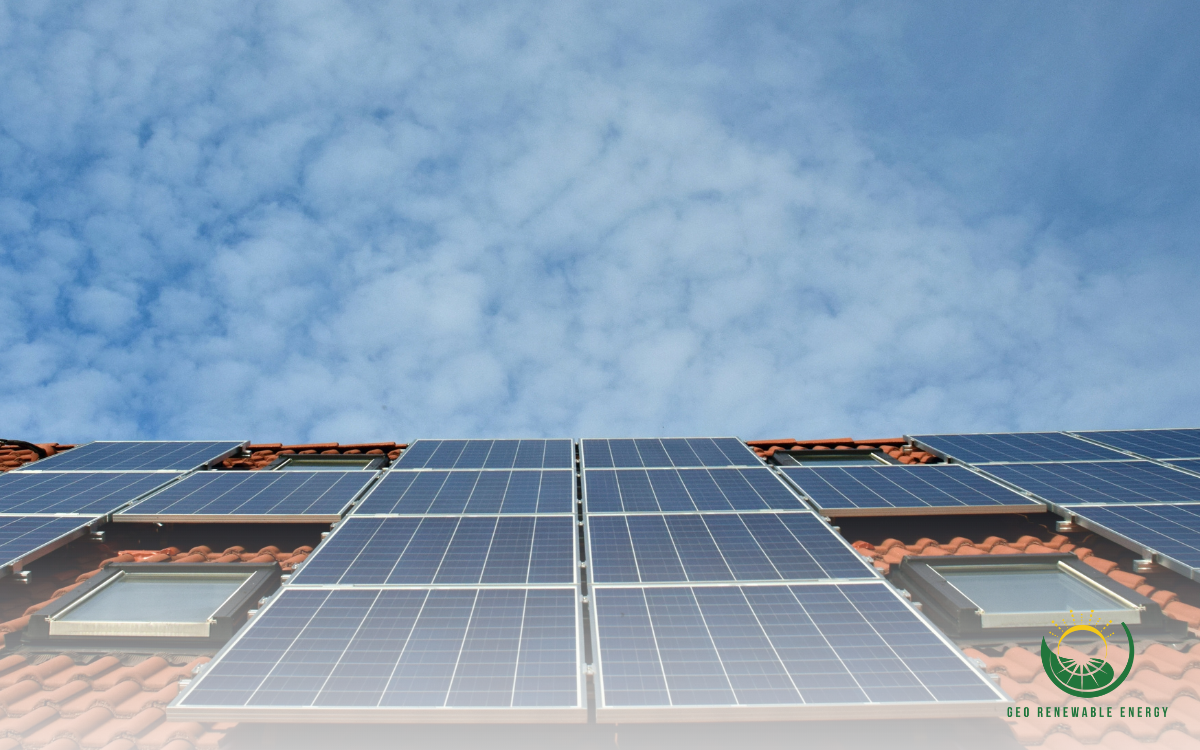
Wheeling has emerged as a transformative solution in the renewable energy sector, providing businesses with affordable access to clean power. By utilising existing grid infrastructure to transfer energy from renewable projects to end-users, wheeling overcomes traditional barriers to energy access and offers a cost-effective alternative to conventional energy sources.
This article highlights the key ways wheeling makes renewable energy more accessible and affordable for businesses, exploring its financial, logistical, and environmental advantages.
One of the primary ways wheeling reduces energy costs is by eliminating the need for businesses to invest in on-site renewable energy infrastructure. Installing solar panels, wind turbines, or other generation systems requires significant upfront capital and ongoing maintenance costs, which can be prohibitive for many organisations.
Wheeling allows businesses to source renewable energy without the burden of infrastructure ownership. The energy is generated at large-scale renewable facilities and transported through the grid, freeing companies from the financial and logistical challenges of designing, installing, and maintaining their own systems. This access to off-site energy generation provides an affordable entry point for organisations seeking to transition to clean energy.
Renewable energy projects supplying wheeled energy are typically large-scale operations, such as solar farms or wind parks. These facilities benefit from economies of scale, which significantly reduce the cost of energy generation compared to smaller, individual installations.
For businesses, purchasing energy through wheeling means accessing competitively priced electricity generated by these high-capacity systems. The ability to tap into these large-scale projects allows organisations to secure renewable energy at rates that are often lower than local grid electricity prices, making wheeling an economically attractive option.
Traditional energy markets are subject to price fluctuations influenced by factors such as fuel costs, geopolitical events, and supply-demand imbalances. These volatile conditions can make energy expenses unpredictable and difficult to manage for businesses.
Wheeling agreements typically include long-term contracts with fixed or predictable energy pricing. This stability shields businesses from market volatility, enabling them to forecast energy costs with confidence. By locking in affordable rates over the duration of the agreement, wheeling provides businesses with financial predictability and protection against future price increases.
While energy transmission through the grid does involve some losses, wheeling agreements often allow businesses to source power from renewable facilities located in optimal regions for energy generation. For example, solar farms in high-sunlight areas or wind farms in consistently windy locations produce energy more efficiently than less favourable sites.
The strategic sourcing of renewable energy through wheeling ensures that businesses receive a consistent supply of affordable power. By tapping into these high-performance facilities, companies benefit from the efficiency of large-scale generation, offsetting transmission losses and further lowering energy costs.
One of the greatest barriers to adopting renewable energy is the significant upfront investment required for on-site installations. These costs include not only the generation equipment but also the associated infrastructure, such as mounting systems, wiring, and energy storage.
Wheeling eliminates these upfront costs by allowing businesses to purchase energy directly from independent power producers (IPPs) who own and maintain the renewable energy facilities. Instead of paying for the system outright, companies only pay for the energy they use, making wheeling a financially accessible option for businesses of all sizes.
Many governments and energy markets offer financial incentives to encourage the adoption of renewable energy, such as tax credits, subsidies, or feed-in tariffs. Renewable energy projects supplying wheeled power often benefit from these incentives, reducing their operational costs.
These savings are typically passed on to the businesses purchasing energy through wheeling agreements. By leveraging these incentives, wheeling providers can offer competitive pricing, ensuring that renewable energy remains an affordable alternative to traditional energy sources.
For businesses with multiple operational sites, wheeling provides a streamlined and cost-effective way to manage energy needs. Instead of installing separate renewable energy systems at each location, businesses can enter into a single wheeling agreement to supply power to all their facilities through the grid.
This centralised approach reduces administrative and logistical complexity while ensuring consistent energy pricing across all sites. Businesses can benefit from economies of scale and lower costs associated with a unified energy procurement strategy.
As businesses grow, their energy needs often increase. Scaling up on-site renewable energy systems can be costly and logistically challenging, particularly for companies with limited space or rapidly evolving energy demands.
Wheeling offers unparalleled scalability, allowing businesses to adjust their energy purchases to match changing requirements. Companies can increase the volume of energy sourced from renewable facilities without incurring additional capital expenditures or infrastructure modifications, making wheeling a flexible and cost-effective solution for dynamic energy needs.
On-site renewable energy systems require ongoing maintenance, repairs, and monitoring to ensure optimal performance. These operational costs can add up over time, creating financial strain for businesses that manage their own energy infrastructure.
Wheeling agreements transfer the responsibility of system maintenance to the energy provider, significantly reducing operational costs for businesses. By relying on professionally managed renewable energy facilities, companies can avoid the expenses and technical expertise associated with maintaining their own systems, further enhancing the affordability of wheeling.
While affordability is a key advantage, wheeling also enables businesses to align their energy procurement strategies with sustainability goals. By accessing clean energy through wheeling, companies can reduce their carbon footprints and meet regulatory requirements without incurring additional costs for emissions reductions.
This alignment with sustainability objectives not only enhances brand reputation but also attracts environmentally conscious customers and investors. By demonstrating a commitment to renewable energy, businesses can secure long-term value that extends beyond direct financial savings.
Wheeling is revolutionising how businesses access and use renewable energy, offering a cost-effective and flexible alternative to traditional energy sources. By eliminating upfront costs, leveraging economies of scale, and providing predictable pricing, wheeling ensures that businesses can achieve their energy goals without financial strain.
As a scalable, sustainable, and affordable solution, wheeling empowers organisations to embrace clean energy while maintaining control over their operational budgets. For businesses seeking a seamless transition to renewable energy, wheeling represents a clear path to a greener and more cost-efficient future.
Copyright 2024 - All Rights Reserved