

Phone Number
010 443 8828
Email Address
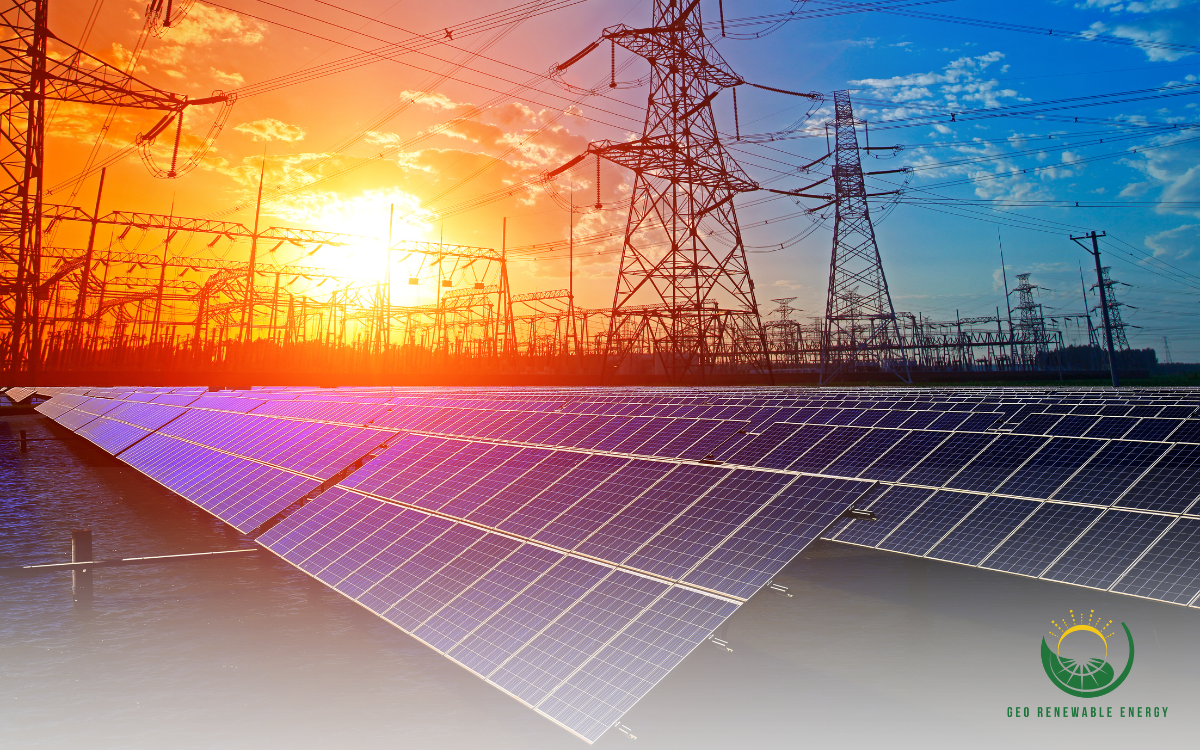
As businesses embrace renewable energy, they face two primary options for sourcing clean power: on-site installations and wheeling. Both approaches offer distinct advantages and challenges, making it crucial for organisations to understand their differences before making a decision.
This article delves into the comparison between on-site renewable energy systems and wheeling, providing a detailed analysis of their benefits, limitations, and suitability for different business needs.
On-site renewable energy installations involve generating power directly at the business’s location using systems like solar panels, wind turbines, or biomass generators. This approach allows companies to produce clean energy where it is consumed, eliminating reliance on external suppliers or grid infrastructure.
The primary advantage of on-site installations is their ability to offer complete energy independence. By generating power directly, businesses can significantly reduce their electricity costs, avoid transmission losses, and protect themselves from market volatility. Additionally, on-site systems are a visible demonstration of a company’s commitment to sustainability, enhancing its reputation with customers and stakeholders.
However, on-site installations require significant upfront investment, including the costs of design, equipment, and construction. They also demand regular maintenance and monitoring to ensure optimal performance. Moreover, the feasibility of on-site systems depends on factors like available space, local climate, and regulatory permissions, which can limit their applicability for businesses in urban or constrained environments.
Wheeling allows businesses to source renewable energy generated off-site and transport it through the utility grid to their operational locations. Under a wheeling arrangement, a company enters into a contract with an independent power producer (IPP) to purchase electricity, which is injected into the grid and delivered to the business through existing transmission and distribution infrastructure.
The biggest advantage of wheeling is its flexibility. Businesses are not constrained by the physical limitations of their site, as they can access energy from large-scale renewable projects located in regions with optimal conditions for solar, wind, or hydroelectric generation. This model provides access to clean energy without the need for significant upfront capital expenditure or on-site infrastructure.
Wheeling does, however, come with costs such as wheeling charges, which cover the use of grid infrastructure and account for energy losses during transmission. Additionally, businesses must navigate regulatory frameworks and negotiate terms with energy providers and utilities, which can be complex and time-intensive.
On-site installations typically involve high upfront costs for equipment, installation, and system design. These investments can take years to recover, even with the significant savings in electricity bills over time. However, once the system is operational, businesses benefit from near-zero energy production costs, as the energy is generated directly on-site.
In contrast, wheeling eliminates the need for capital investment in energy infrastructure. Instead, businesses pay ongoing charges to the IPP for the energy purchased and to the utility for the use of the grid. While this model spreads costs over time, wheeling agreements may include additional fees, such as transmission losses or grid access charges, which can affect overall cost savings.
For businesses with limited budgets, wheeling offers a more accessible entry point to renewable energy. On the other hand, organisations with the financial capacity to invest upfront may find on-site installations more cost-effective in the long term.
On-site installations provide direct control over energy generation, ensuring that businesses have a consistent and reliable power supply. However, their efficiency depends on local environmental factors such as sunlight, wind availability, and seasonal variations. This variability may require businesses to invest in energy storage solutions, such as batteries, to ensure a steady supply during periods of low generation.
Wheeling offers more consistent energy availability by allowing businesses to source power from large-scale renewable projects in optimal locations. These facilities often have higher capacity and efficiency compared to on-site systems. Additionally, wheeling arrangements can include provisions for backup energy from the grid, ensuring reliability even during fluctuations in renewable energy production.
On-site systems are typically designed to meet the current energy needs of a business. Expanding the system to accommodate growth can be costly and complicated, especially if the available space is limited. Businesses with fluctuating energy demands may also find it challenging to optimise the size and capacity of their on-site systems.
Wheeling, on the other hand, offers unmatched scalability. Businesses can adjust their energy purchases to align with changing needs, without worrying about the physical constraints of their site. This flexibility makes wheeling an attractive option for organisations with multiple locations or plans for future expansion.
Both on-site installations and wheeling contribute to a business’s sustainability objectives, but in different ways. On-site systems offer a tangible and visible demonstration of a company’s commitment to renewable energy, which can enhance its brand image and appeal to environmentally conscious stakeholders.
Wheeling, however, allows businesses to access renewable energy at a larger scale, often enabling them to offset more carbon emissions than they could with an on-site system alone. This model also supports the broader renewable energy ecosystem by providing financial backing to large-scale projects, accelerating the transition to clean energy.
On-site installations require businesses to manage maintenance and operational tasks, including regular cleaning, performance monitoring, and repairs. While this provides direct control, it also demands technical expertise and ongoing costs.
Wheeling shifts these responsibilities to the energy provider, as the renewable energy facility is owned and operated by the IPP. This hands-off approach reduces the operational burden on businesses, allowing them to focus on their core activities while still benefiting from renewable energy.
On-site installations are generally simpler to implement, as they involve fewer external stakeholders and regulatory approvals. However, local zoning laws, permits, and environmental impact assessments can still pose challenges, particularly for large-scale systems.
Wheeling requires businesses to navigate more complex regulatory environments, including grid access agreements, wheeling charges, and compliance with energy market policies. Partnering with experienced IPPs and legal advisors is essential to successfully manage these logistical challenges.
The decision between on-site renewable energy installations and wheeling depends on a business’s unique needs, financial resources, and operational goals. On-site systems offer energy independence, long-term cost savings, and a visible commitment to sustainability, but require significant upfront investment and ongoing maintenance. Wheeling provides access to large-scale renewable energy projects, flexibility, and reduced operational responsibilities, but involves ongoing costs and regulatory complexities.
For businesses with space and capital to invest, on-site installations may be the best choice. Meanwhile, organisations seeking flexibility, scalability, or a more accessible entry point to renewable energy should consider wheeling as a viable alternative. Both options play a crucial role in advancing sustainability and reducing carbon footprints, ensuring that businesses can contribute to a cleaner, greener future.
Copyright 2024 - All Rights Reserved