

Phone Number
010 443 8828
Email Address
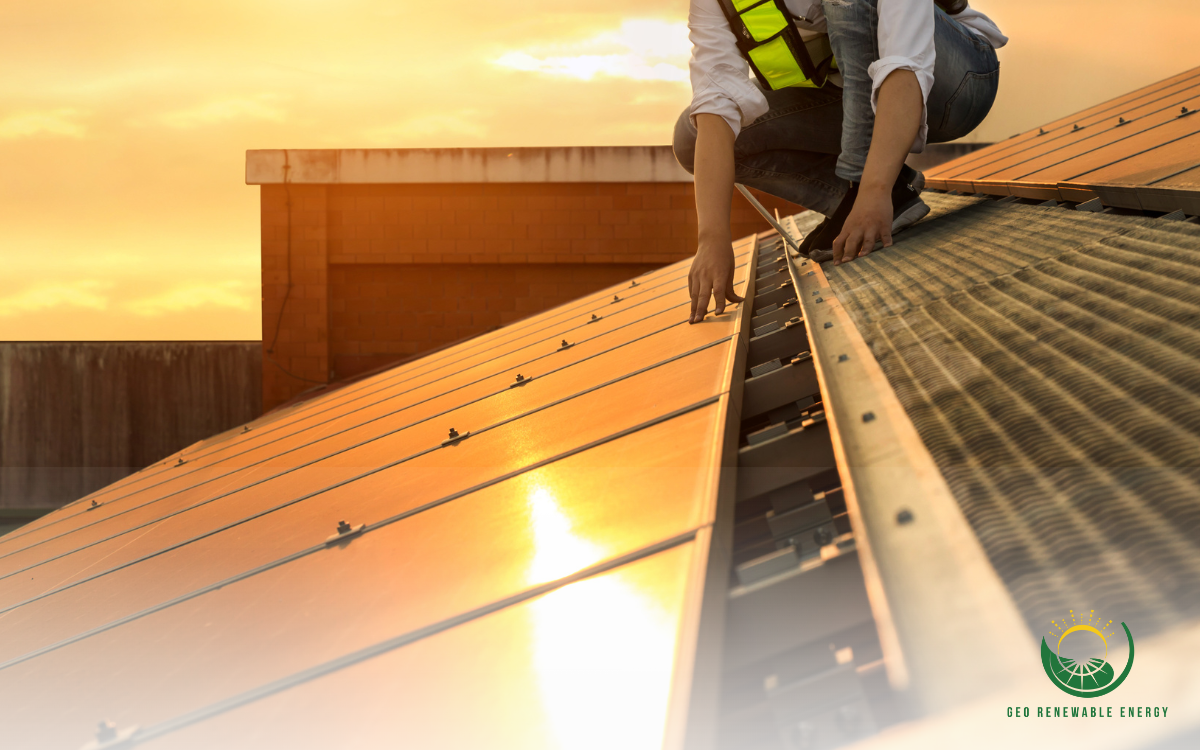
Solar energy systems have become a cornerstone of the global push for renewable energy. While solar operations are known for their reliability and sustainability, they are not without challenges.
From environmental factors to technical issues, these obstacles can impact efficiency and performance. This article explores ten common challenges in solar operations and provides detailed solutions to help you maintain optimal system performance.
Solar panels naturally degrade over time, leading to reduced efficiency. This degradation occurs due to prolonged exposure to the elements, such as sunlight, moisture, and temperature fluctuations. On average, panels lose about 0.5% to 1% of their efficiency annually, which adds up over the system's lifespan.
Choose high-quality solar panels with lower degradation rates. Regular inspections and maintenance, such as cleaning and replacing worn-out components, can also slow the degradation process. Monitoring energy output helps identify when a panel’s performance significantly drops, indicating it may need replacing.
Dust, bird droppings, leaves, and other debris can accumulate on solar panels, blocking sunlight and reducing energy production. This issue is particularly severe in dusty or polluted environments and during seasons with high pollen or leaf fall.
Clean panels regularly using non-abrasive tools and avoid harsh chemicals that could damage the surface. Consider automated cleaning systems or anti-soiling coatings for large installations or panels in hard-to-reach areas. In highly dusty regions, more frequent cleaning schedules are essential to maintain peak performance.
Shading from trees, buildings, or other structures can significantly reduce the efficiency of solar systems. Even partial shading on one panel can disrupt the performance of an entire array, especially if the system uses traditional string inverters.
Perform a shading analysis before installation to identify and mitigate potential issues. Trim nearby vegetation regularly, and if shading is unavoidable, install microinverters or power optimisers that allow individual panels to operate independently, minimising the impact on the overall system.
Extreme weather conditions, such as hailstorms, high winds, and heavy snow, can damage solar panels and mounting systems. Prolonged exposure to intense UV radiation can also degrade materials over time, impacting performance.
Use weather-resistant panels and mounts certified for local conditions. Install protective measures such as hail guards or snow deflectors where applicable. Regular inspections after severe weather events help identify damage early and prevent further issues.
Battery storage is crucial for ensuring a consistent energy supply, especially in off-grid or hybrid systems. However, improper sizing, degraded capacity, or poor battery management can result in inefficiencies, limiting the availability of stored energy.
Invest in high-quality batteries that match your energy needs and system size. Use a battery management system (BMS) to monitor and optimise performance, ensuring batteries remain properly charged and discharged. Regularly inspect batteries for signs of wear, corrosion, or reduced capacity and replace them as needed.
Inverters are a critical component of solar systems, converting DC electricity from the panels into AC electricity for use. Inverter failures can disrupt energy production and, in some cases, halt the system entirely.
Select reliable, high-efficiency inverters with robust warranties. Regularly inspect them for error codes, overheating, or unusual noises. Professional servicing and timely replacements ensure continued operation and efficiency.
Improper system design, such as incorrect panel orientation, inadequate wiring, or mismatched components, can lead to inefficiencies and frequent maintenance issues. A poorly designed system may also fail to meet energy demands.
Hire experienced professionals to design and install your solar system. A comprehensive site assessment should consider factors like shading, energy usage, and geographic location. Post-installation inspections ensure all components are optimally configured and functioning as intended.
Grid-tied solar systems can face connectivity challenges, such as voltage fluctuations, grid outages, or delays in feed-in tariff processing. These issues can disrupt energy flow and reduce financial benefits.
Work closely with your utility provider to ensure proper grid compatibility during installation. Install surge protectors and voltage regulators to address fluctuations. For regions with frequent outages, consider hybrid systems that incorporate battery storage to maintain energy independence.
Navigating the permitting process and complying with local regulations can be time-consuming and complex. Inconsistent rules or frequent policy changes can further complicate solar operations.
Partner with a knowledgeable solar provider who understands local regulations and can manage the permitting process on your behalf. Stay informed about policy updates, such as changes to net metering or new incentives, to maximise financial returns.
Failure to maintain and monitor a solar system can lead to reduced efficiency and higher repair costs. Issues like dirty panels, ageing components, or undetected performance drops can escalate over time.
Implement a regular maintenance schedule that includes cleaning panels, inspecting inverters, and checking mounting structures. Use monitoring systems to track energy production and identify anomalies early. Professional inspections at least once a year ensure all components remain in optimal condition.
Solar operations are a powerful step toward energy sustainability, but they require careful attention to ensure consistent performance. By understanding and addressing these common challenges—ranging from panel degradation to grid connectivity—you can maximise the efficiency and lifespan of your solar system.
Proactive care, regular maintenance, and investing in high-quality components are key to overcoming these obstacles. With a well-maintained system, you can enjoy the full benefits of renewable energy while contributing to a greener future.
Geo Renewable specialises in identifying and addressing these issues, ensuring your solar system operates efficiently and reliably for years to come. With our expertise, you can enjoy a seamless transition to renewable energy and long-term sustainability.
Copyright 2024 - All Rights Reserved